Regulated-system architecture & technical due diligence
Structures that satisfy an auditor as well as a user. Legal and certification requirements become architecture constraints; technical due diligence for investment and M&A.

ALEXSOFT designs structures that actually work inside legal, certification and legacy-system constraints — national tax infrastructure, healthcare information systems, marine engineering — and builds what it designs.
Philippine Bureau of Internal Revenue e-invoicing system — document standard and exchange-security standard designed in the development lead role. Live since 2022.
Laws, certification and systems already in production are treated as design inputs from day one, not as a checklist at the end. Four areas where that discipline has been exercised on real systems.
Structures that satisfy an auditor as well as a user. Legal and certification requirements become architecture constraints; technical due diligence for investment and M&A.
Document schemas, validation rules and exchange-security standards that many companies and systems must read the same way — designed for a national tax authority.
EMR and hospital-system integration, HL7 FHIR data structures, and certification and privacy requirements built into the architecture rather than patched on afterwards.
Modernization that keeps the business running: system boundaries, data flows and staged migration, with change impact recovered from the source code itself.
Structure is judged before anything is built, and whoever designs it builds it. Nothing is handed over between stages, so nothing is lost on the way. Fees are quoted in writing once the scope is confirmed.
← Swipe to see the whole flow →
Only verifiable roles and outcomes are listed. Each case links to the Korean detail page.
← Swipe to see the whole structure →
In the development lead role, ALEXSOFT designed the development architecture, the e-invoice document standard, and the security standards for documents and the exchange system, and led development. The system went live for the first group of large taxpayers in July 2022 and is still in operation. A separate 2025–2026 follow-on support project was delivered by another vendor and is not ALEXSOFT's work.
← Swipe to see the whole structure →
Law, the claims flow, sensitive-data handling and the certification items all shaped the product's structure and operations, not just its feature list. ALEXSOFT started as development lead in 2022 and headed development and product planning and design from 2023 to 2026, keeping the decisions between product and clinic connected with a hospital-information-system background.
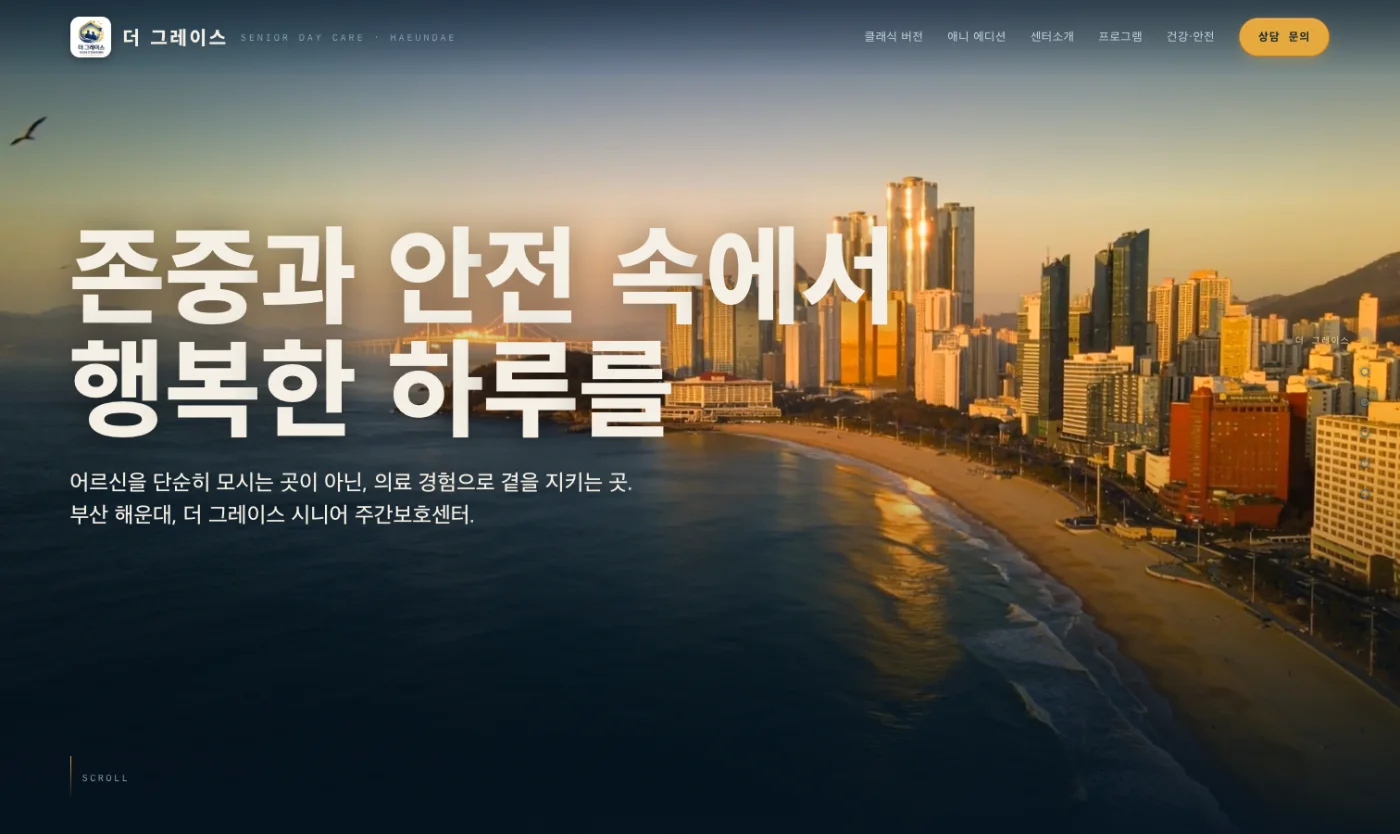
The other end of the range: front-end and brand work. Five scenes unfold on scroll in the order a family comes to trust a care provider, the same flow holds on desktop and mobile, and the operator changes the content directly.
Earlier work: marine engineering and shipbuilding core systems.
Alongside client work, ALEXSOFT builds and publishes products of its own. Both are shown with real screens here; the Korean case page has the full set.
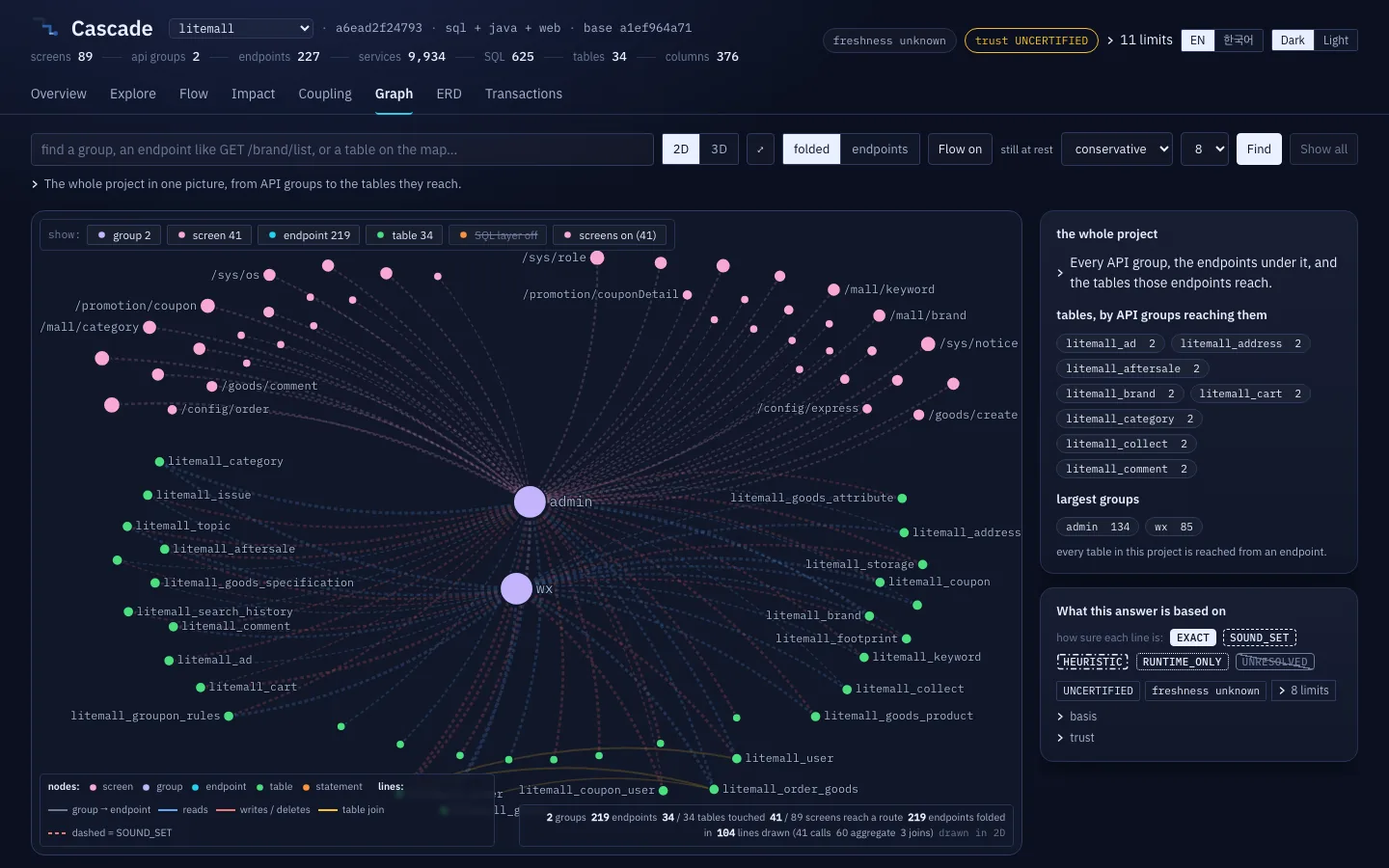
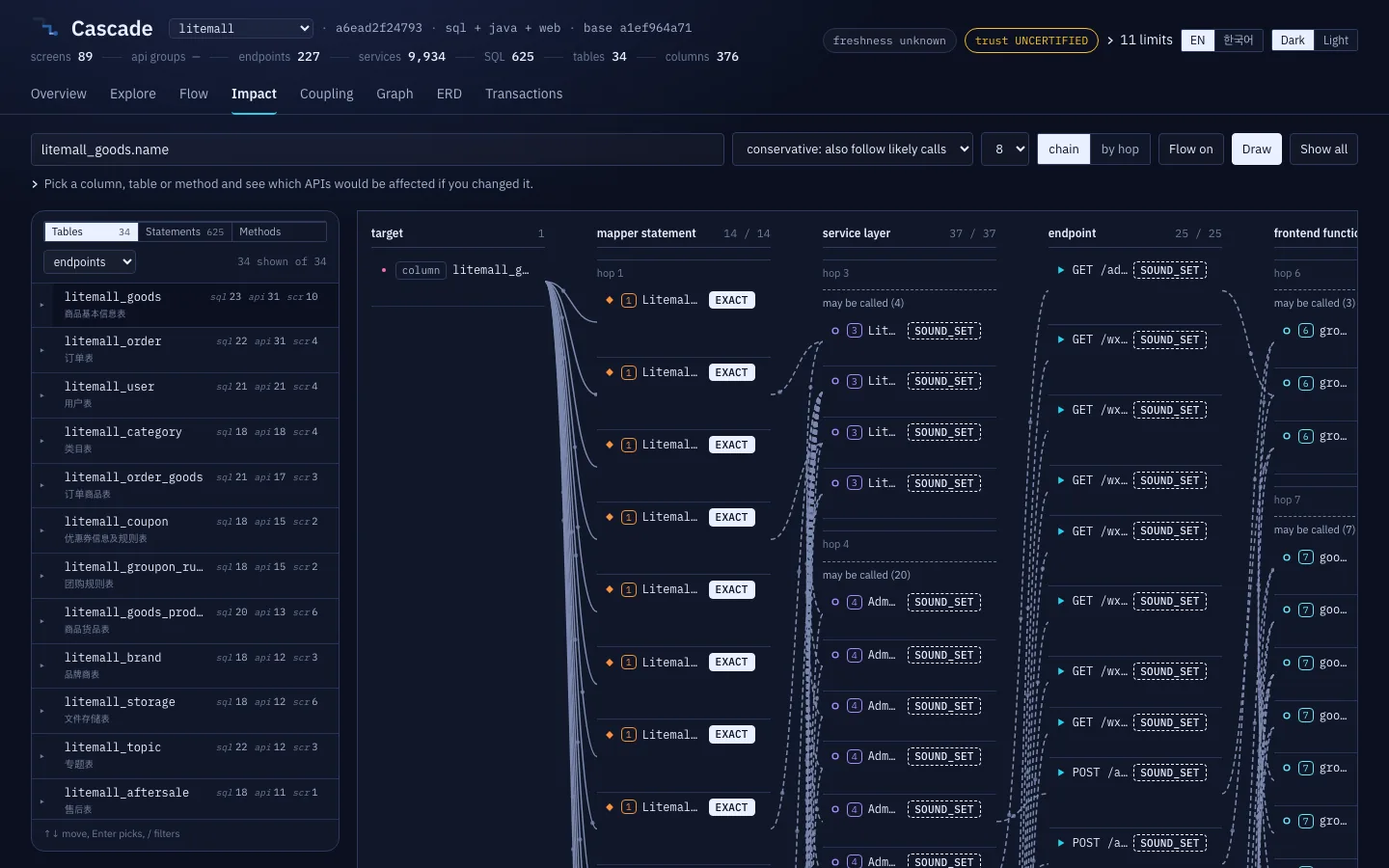
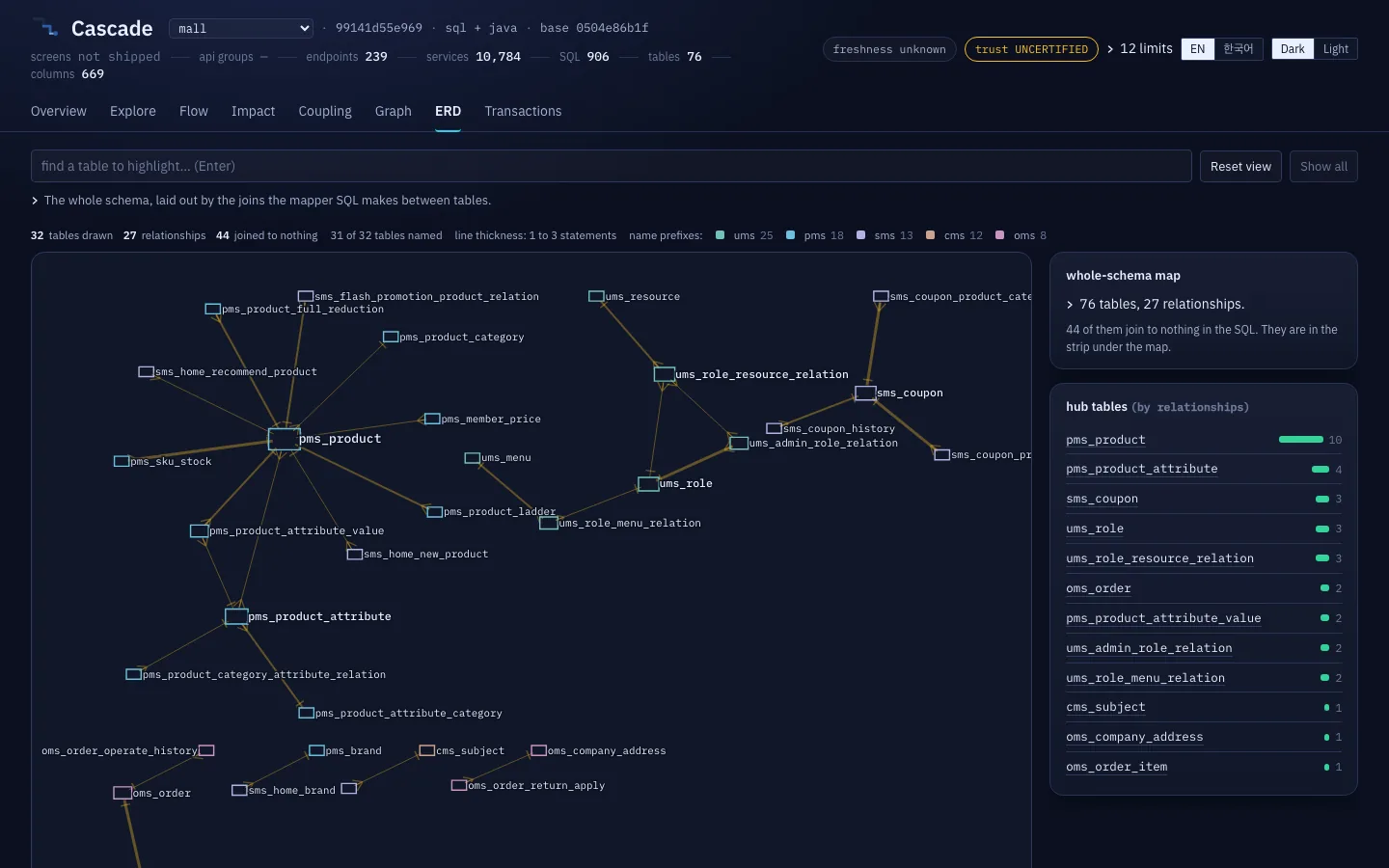
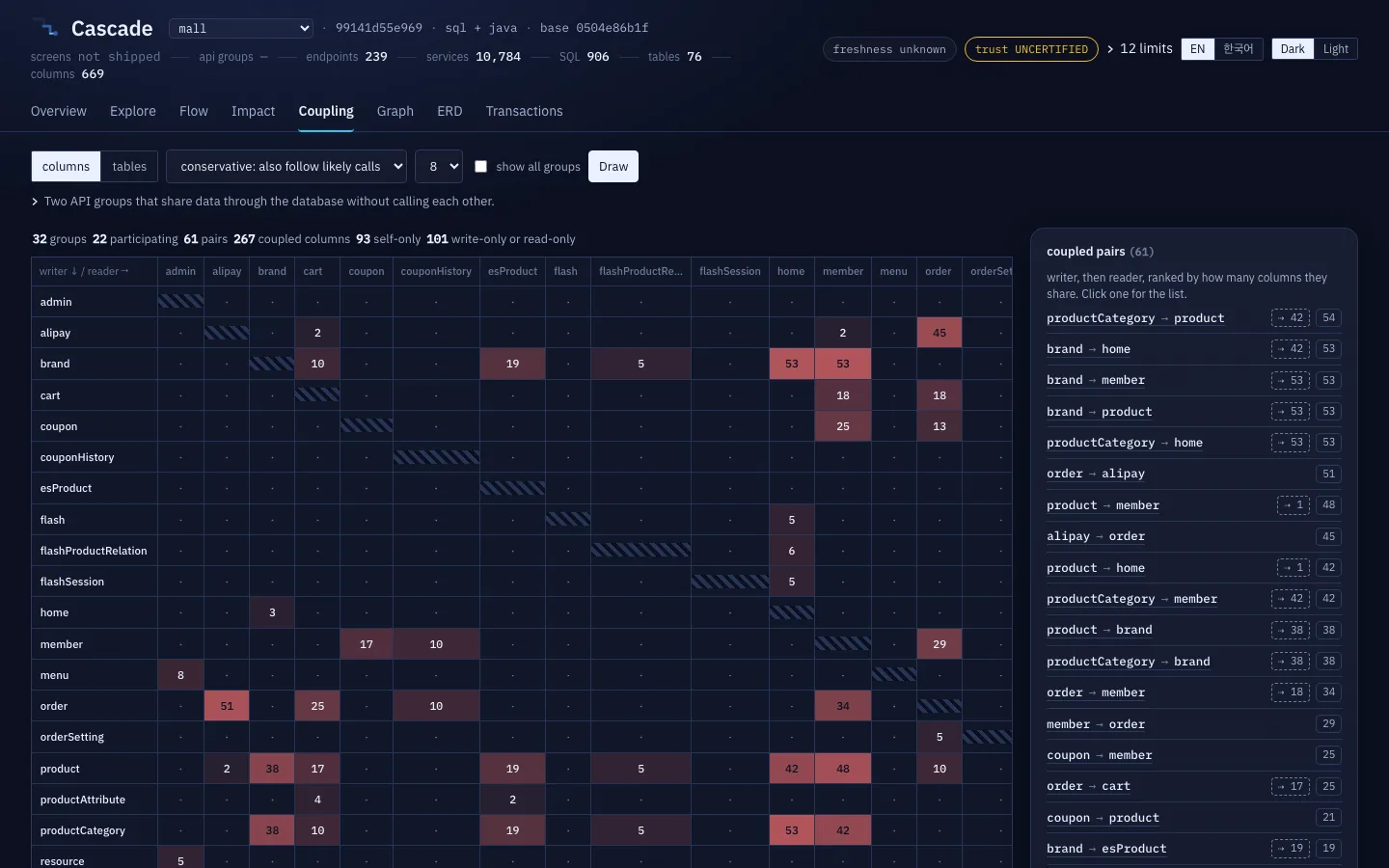
Built for AI coding agents and the people who work beside them: the agent asks over MCP before it edits, and a person reads the same answers in the viewer.
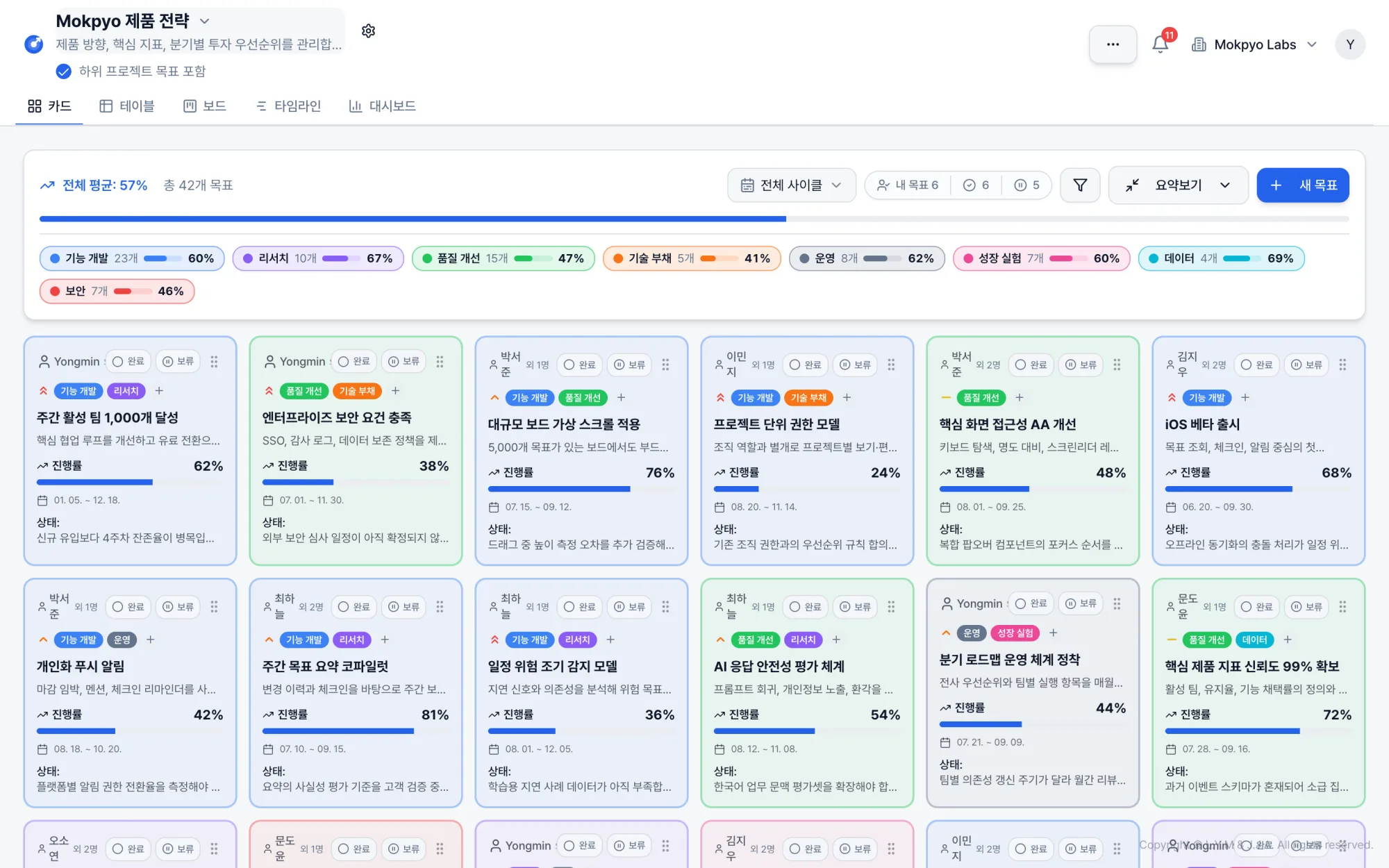
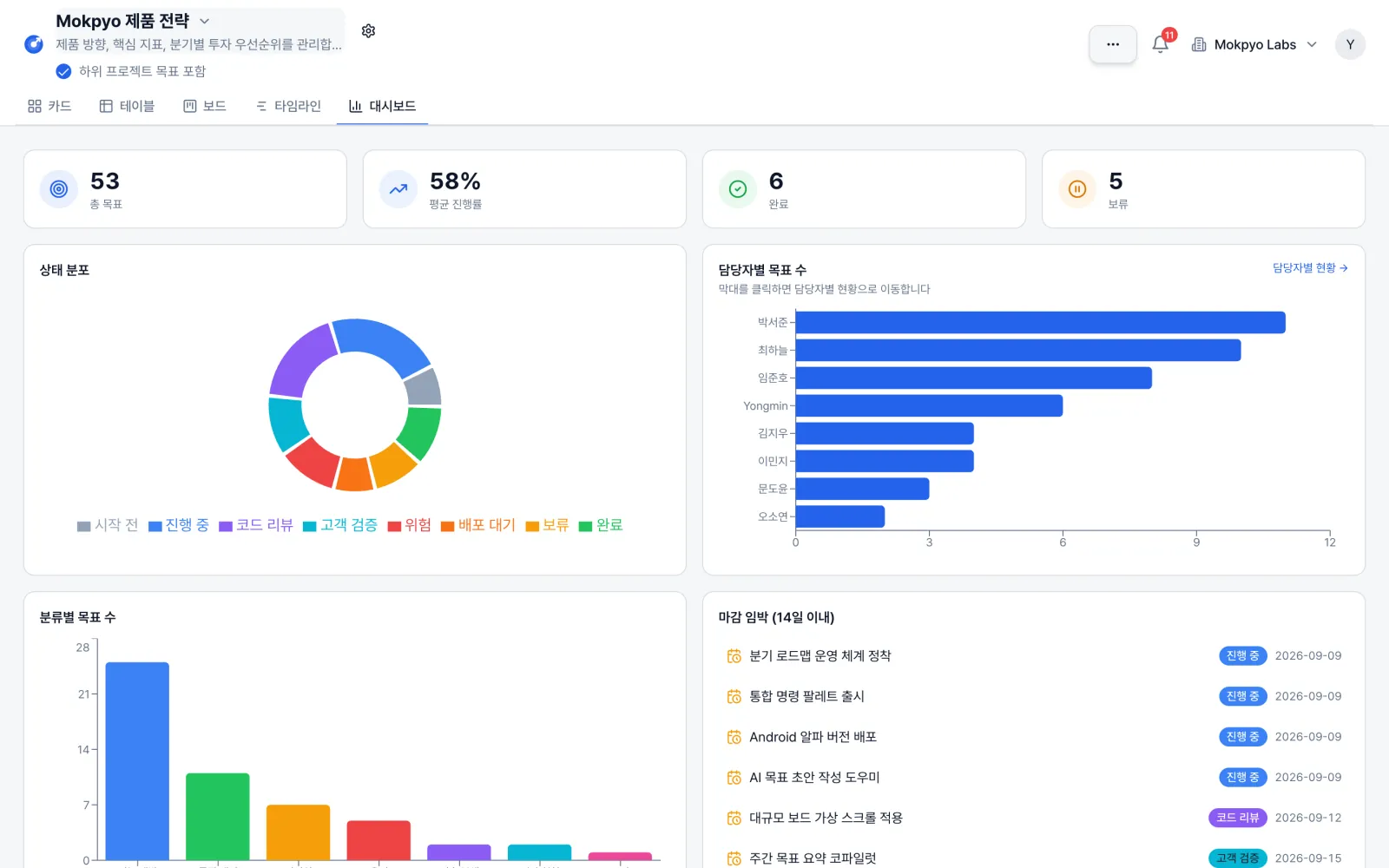
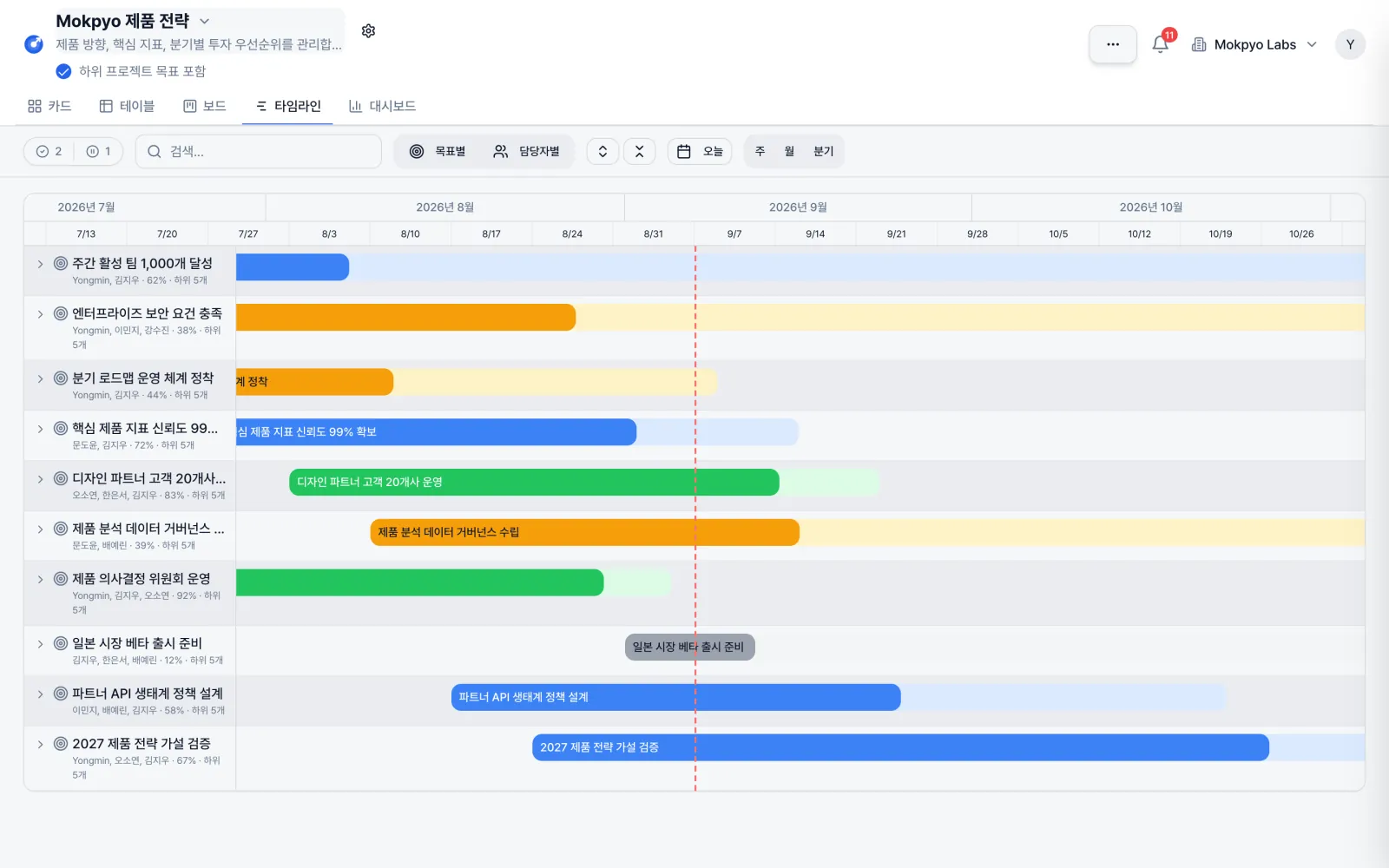
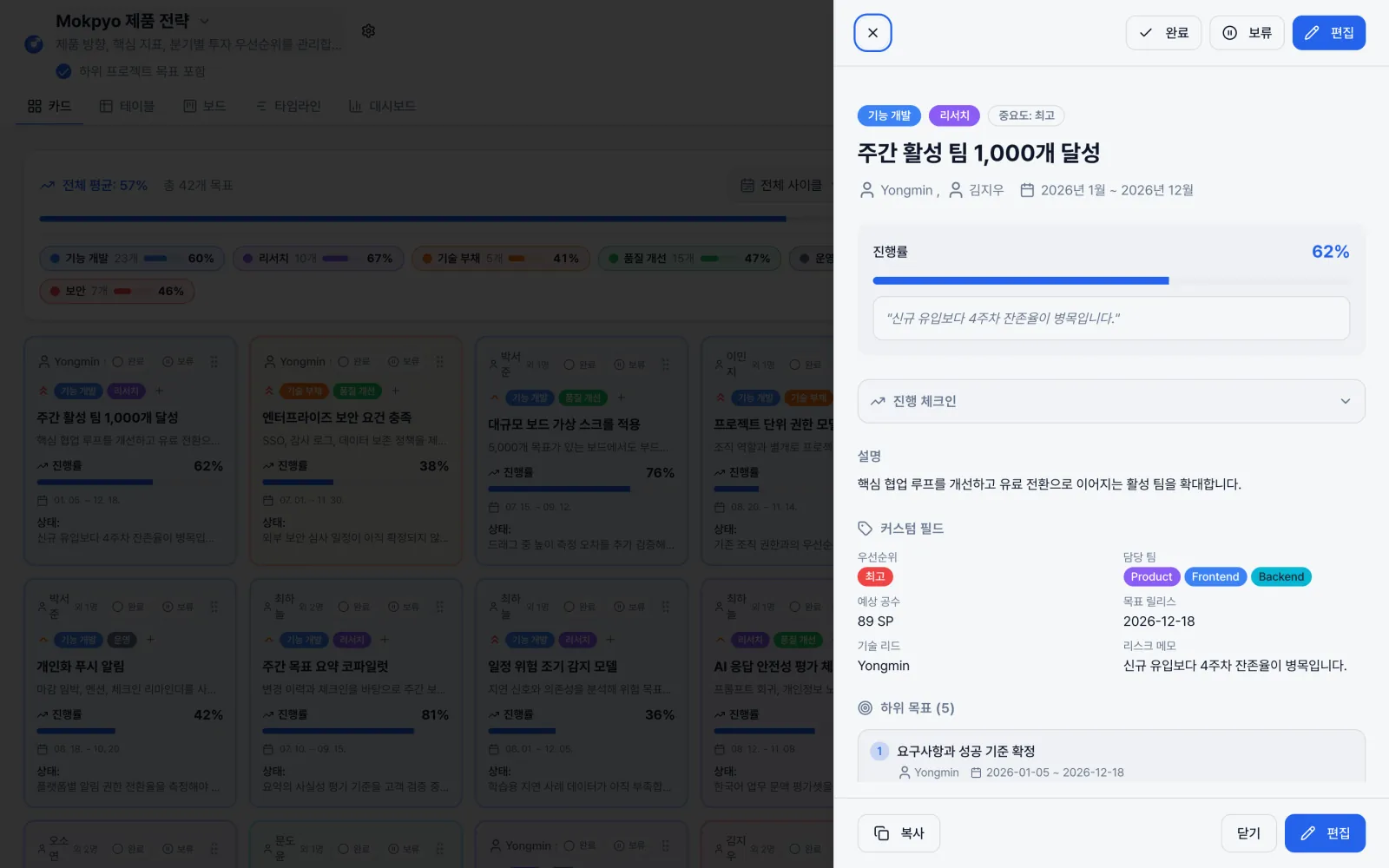
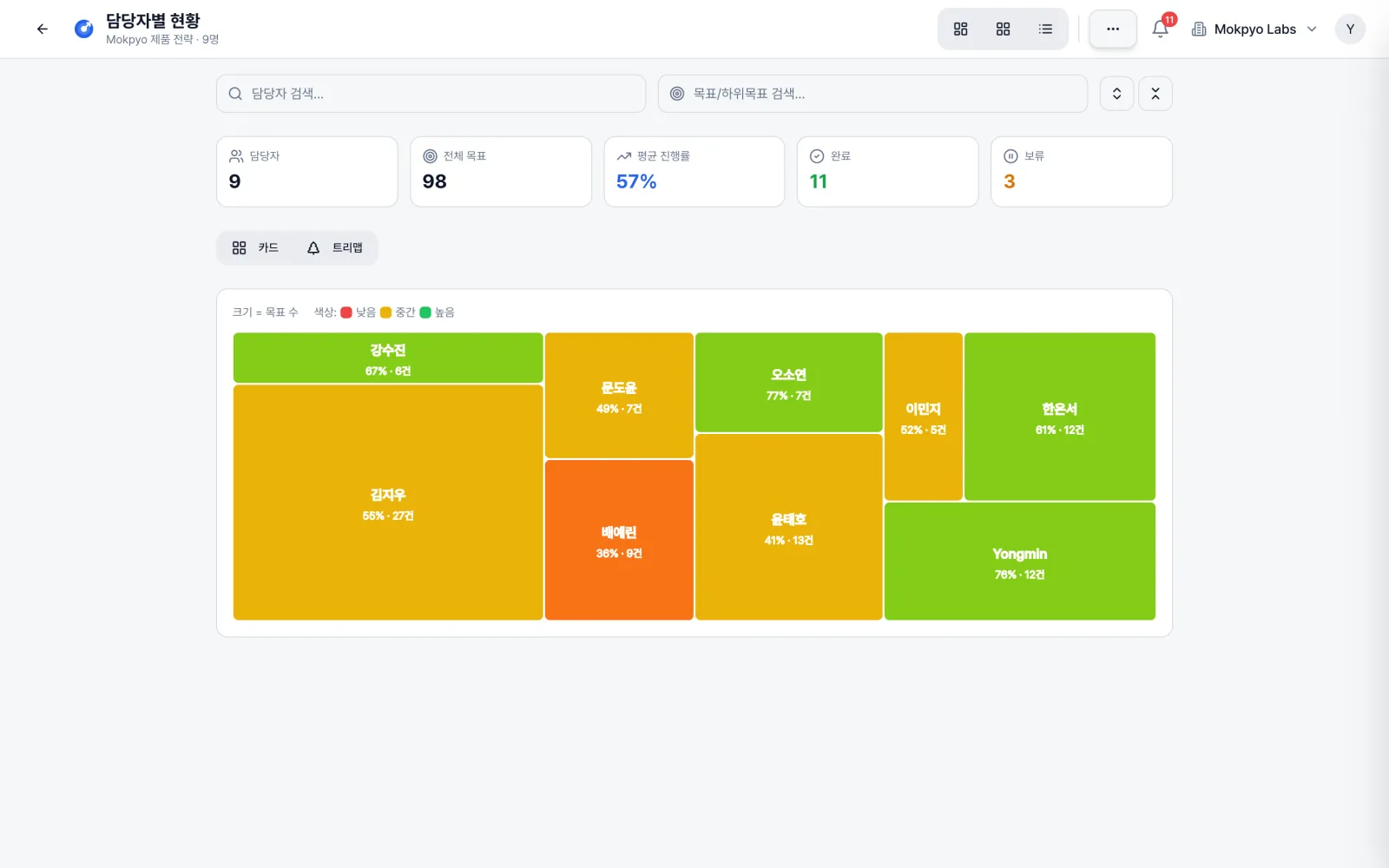
ALEXSOFT is led by its founder, Yongmin Lee: more than twenty-five years across shipbuilding and marine engineering, public-sector systems and healthcare information systems, as an architect and a development lead on regulated, mission-critical systems — where a design has to satisfy an auditor as well as a user.
Buying, integrating or automating is weighed against building before any code is written.
The relations between data and systems, and the reason for every change, can be traced later.
Built to survive real use, errors, change and maintenance — not a demo.
Based in Busan, Korea, working remotely. Write in Korean or in English — either is fine. The fit call is free and produces no documents; fees are quoted once the scope is confirmed.